UI/UX Case Study

ScrapAway is a sustainable waste pickup platform designed to simplify booking, improve collection visibility, and support a smoother experience for both disposers and collectors.
ScrapAway is a sustainable waste pickup platform designed to simplify booking, improve collection visibility, and support a smoother experience for both disposers and collectors.
ScrapAway connects people who need to dispose of solid waste with collectors who can pick it up. The experience focuses on flexible scheduling, clear waste categories, pickup tracking, and dashboard-driven workflows.
Residents can struggle with large-item disposal, missed pickup schedules, limited municipal options, and expensive private pickup services. ScrapAway responds with a more flexible pickup experience built around clarity and access.
Traditional pickup systems do not always match users' schedules or urgent disposal needs.
Users need a clear way to know whether their pickup is pending, confirmed, or completed.
The platform needed to serve both people disposing waste and collectors managing requests.
The project explored real disposal challenges through research, surveys, existing municipal services, and analysis of waste management needs during difficult seasonal conditions.
The information architecture was shaped around the disposer flow and the collector flow, keeping each path focused on the most important next action.
The palette uses forest green, soft cream, sand, and earthy brown to create a calm sustainability-focused interface while keeping dashboards readable and structured.
The screens focus on helping users move from discovery to scheduling, confirmation, and tracking without unnecessary complexity.
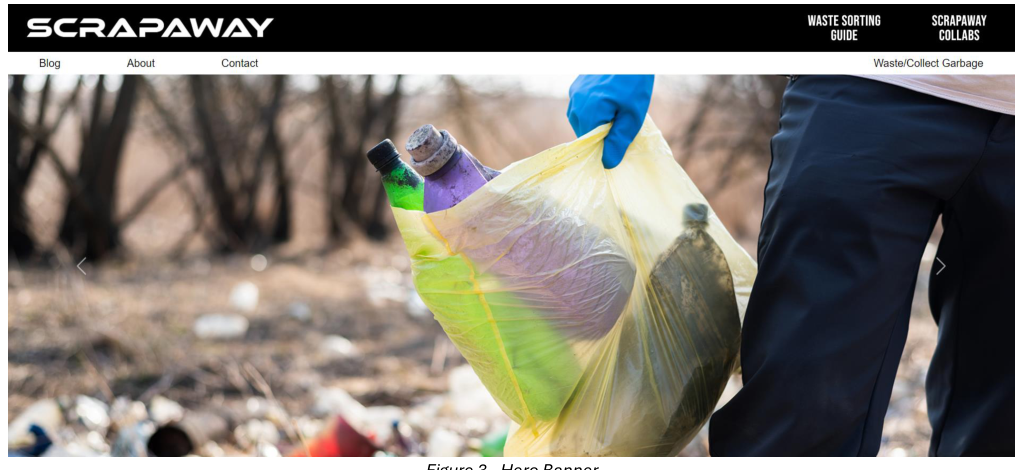
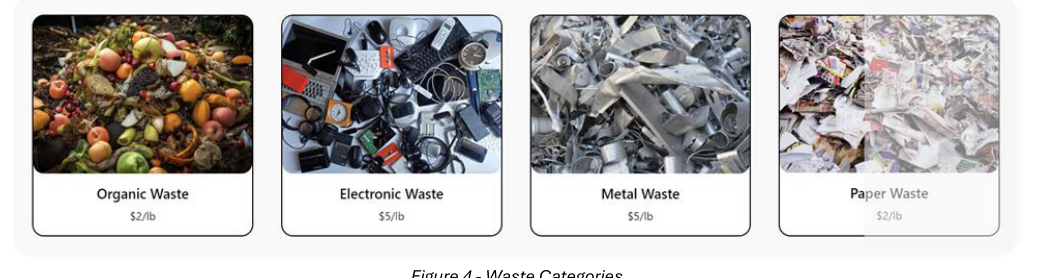
The homepage introduces the platform and supports quick discovery of available waste types and estimated prices.
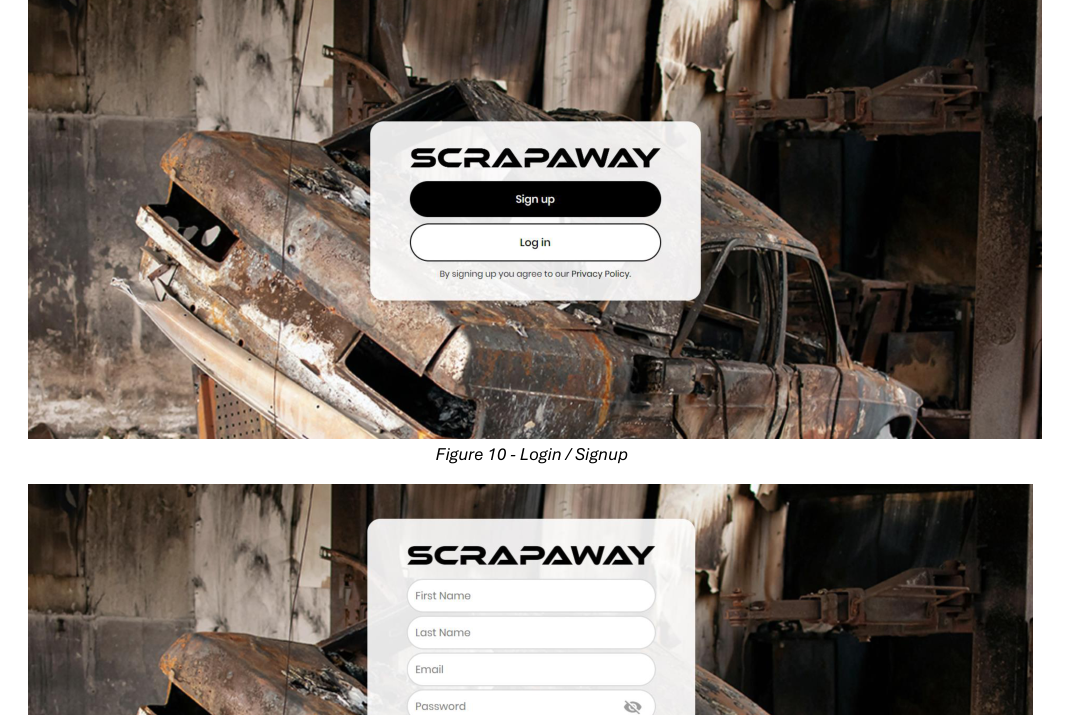
Login and sign-up flows separate the experience for disposers and collectors so each user reaches the right dashboard.
Disposers can select waste types, upload a reference image, enter pickup details, and schedule collection through a guided process.
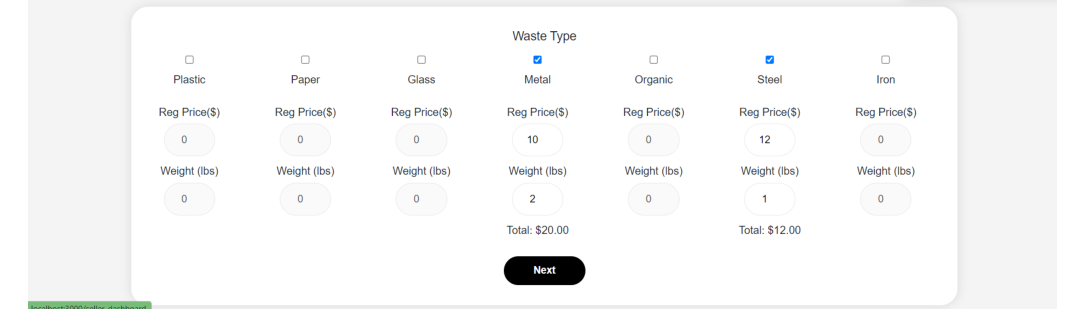
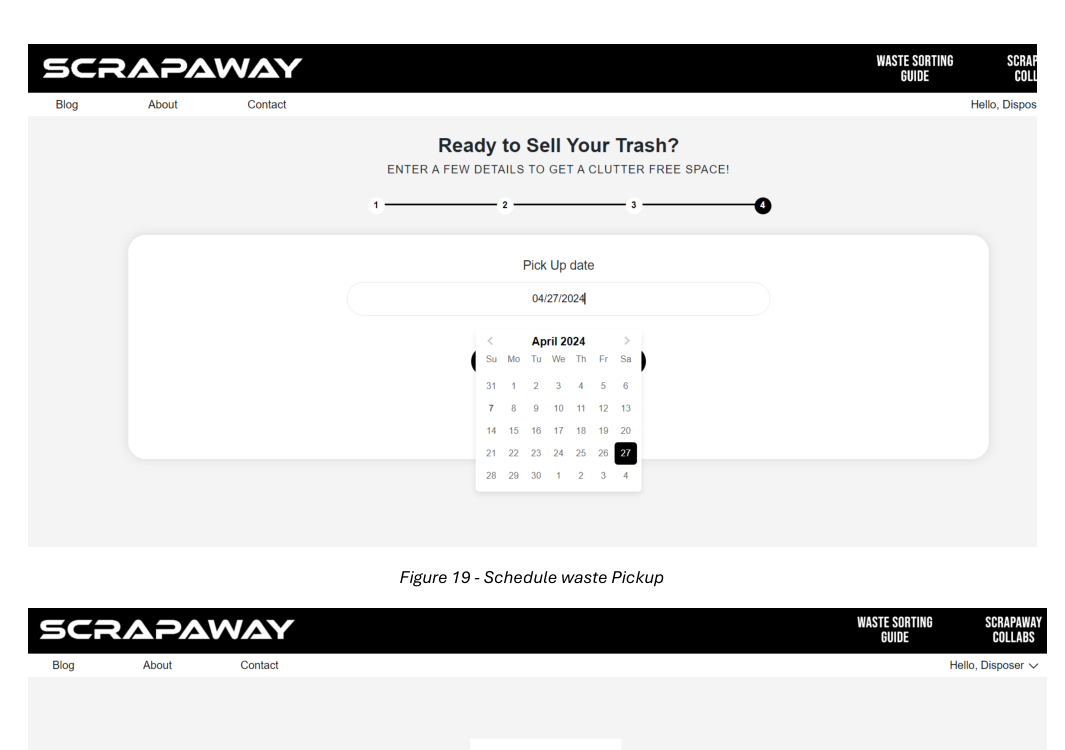
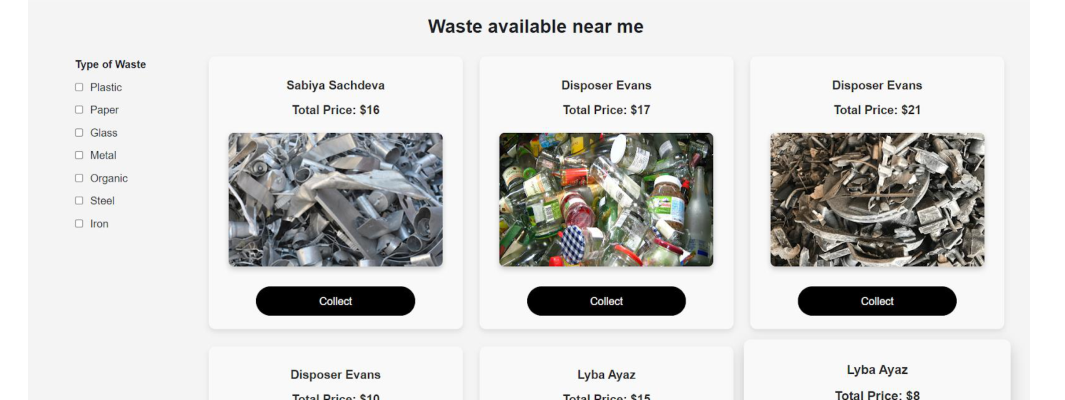
Collectors can view available pickups, filter by waste category, review pickup information, and confirm collection details.
The track order experience helps both user types understand whether a pickup is pending, confirmed, completed, or cancelled.
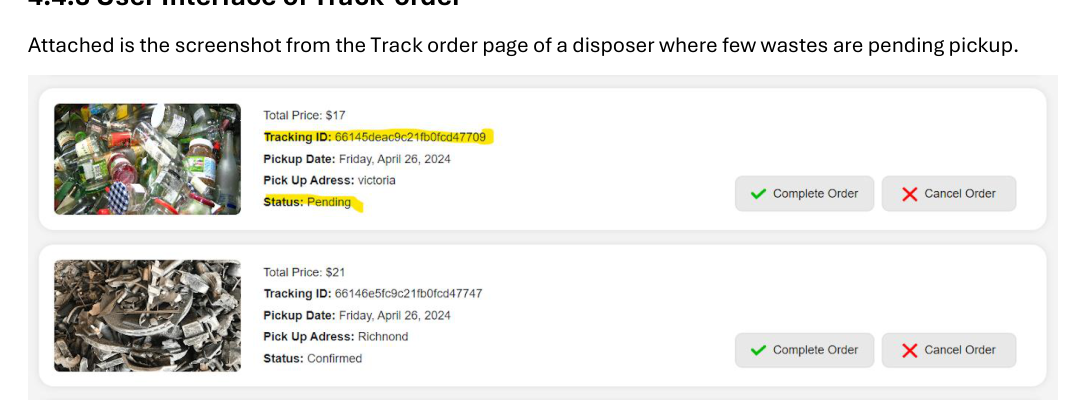
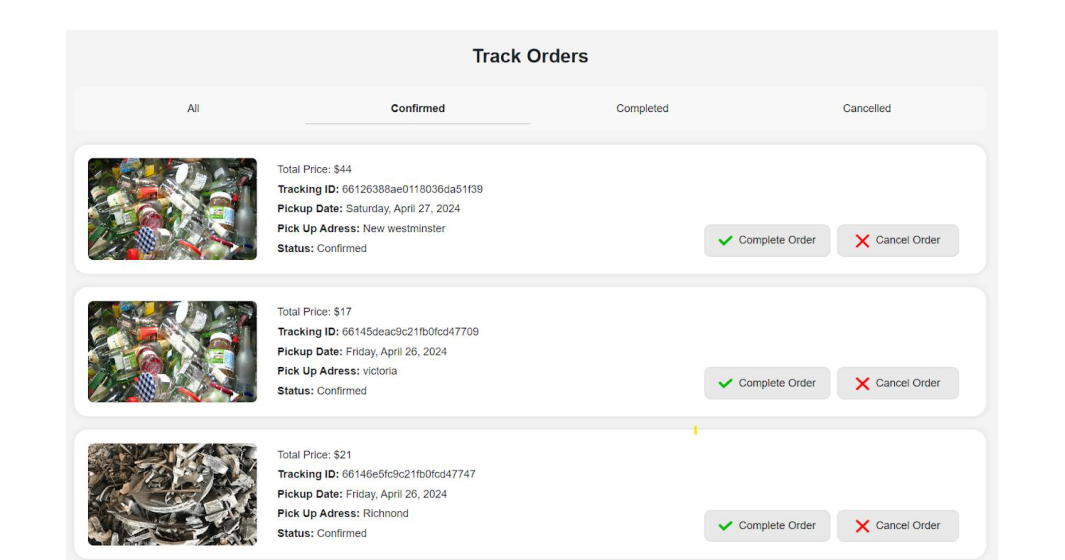
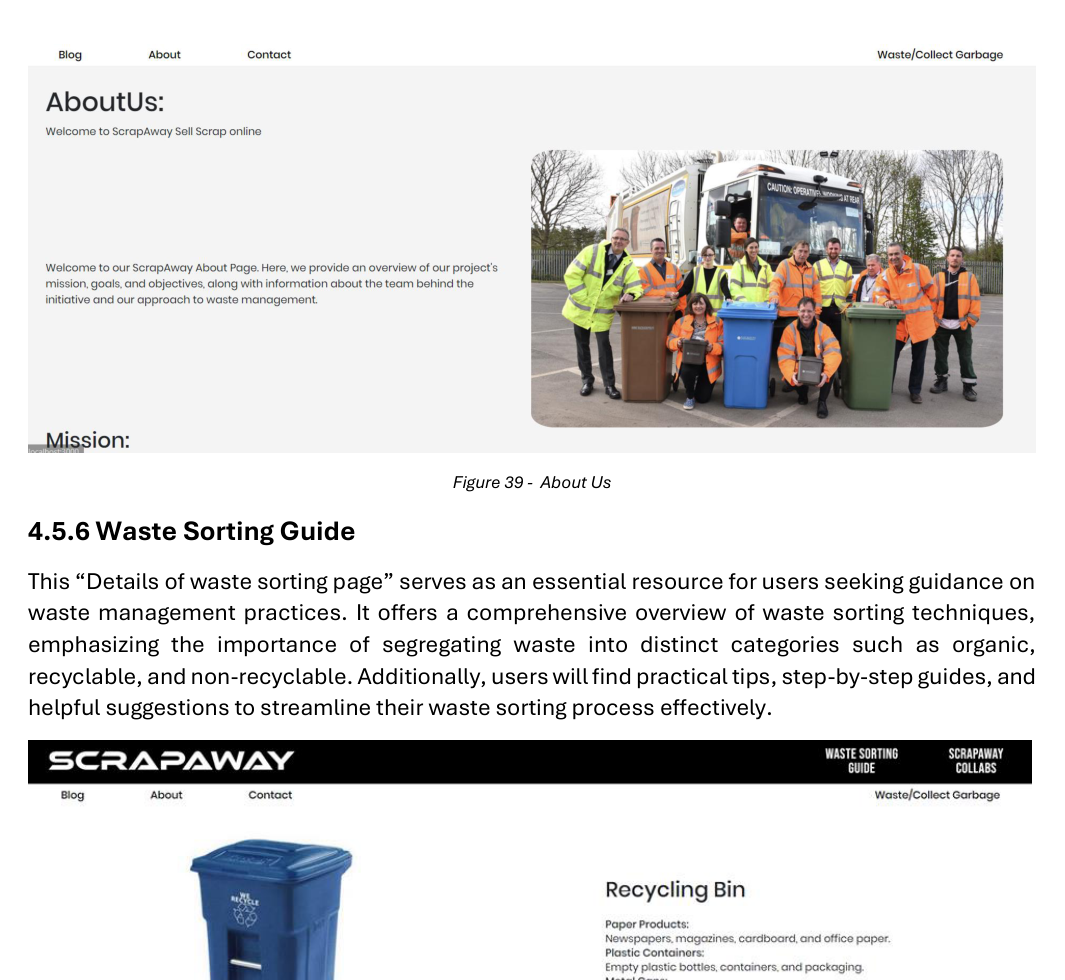
Supporting pages like waste sorting guides and blogs help users understand responsible disposal habits beyond the booking flow.
The biggest UX challenge was simplifying a multi-step operational system while supporting two different user groups with different goals.
The platform needed separate experiences for disposers and collectors while keeping the system cohesive.
Pickup details, waste categories, prices, and status updates had to remain readable and actionable.
Users needed reassurance that their request was saved, confirmed, and progressing properly.
ScrapAway helped me understand how to design workflow-driven platforms that support real operational needs. It strengthened my approach to dashboards, multi-user systems, scheduling flows, and sustainability-focused product design.